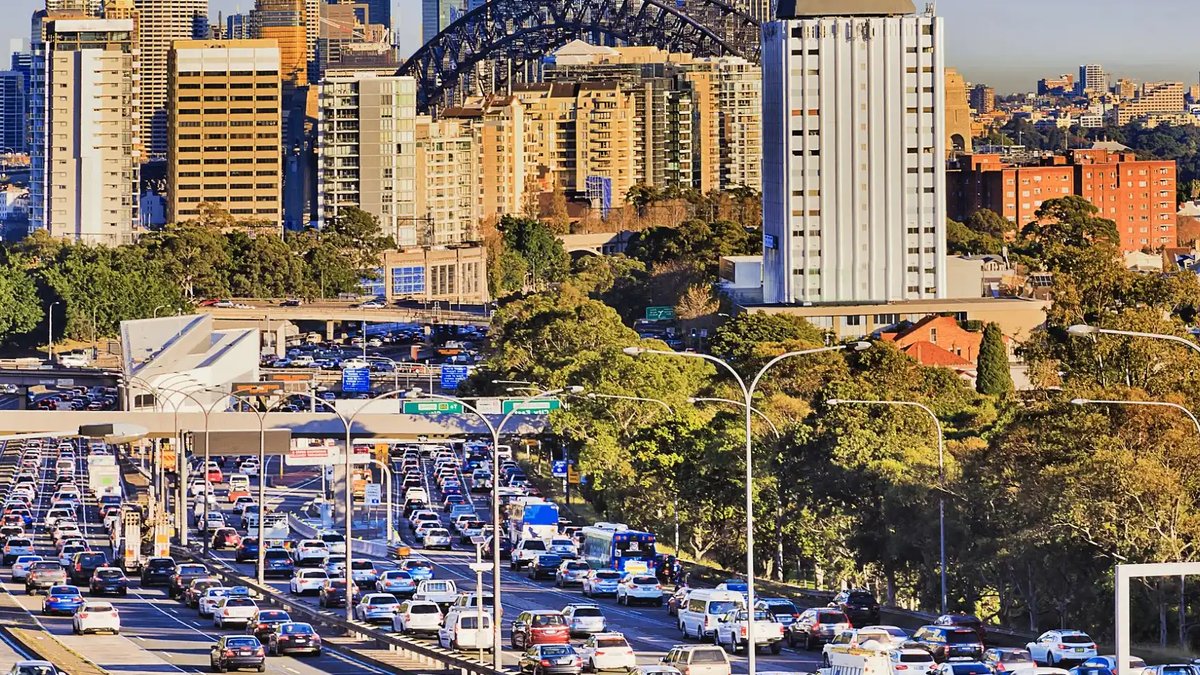
New South Wales authorities are cracking down on noisy drivers by increasing penalties for those with loud cars. The state’s Noise Control Regulation has been updated, with the EPA doubling the on-the-spot fines for motorists whose vehicles exceed the legal limit.
Motorists can be fined $1200 if they’re caught using a vehicle that exceeds the limit by 15 decibels. The fine decreases to $600 for vehicles that exceed legal limits by 5 to 14 decibels, and $300 for cars that exceed the legal limit by less than 5 decibels.
For reference, in NSW, cars built after 1982 are restricted to a maximum noise level of 90 decibels. Motorists can also incur a $400 penalty for driving a vehicle that is deemed defective or missing noise control equipment.
Noisy Vehicles and Residential Premises
Under the amended legislation, property owners or occupiers will also be liable for off-road motor vehicle noise. Using a vehicle on a residential premises other than for entering or leaving between 8:00pm and 7:00am on weekdays – as well as between 8:00pm and 8:00am on Saturday, Sunday and public holidays – can incur a $400 fine, which increases to $800 for repeat offences.
Read Also: Aston Martin Brough Superior debut street-ready AMB 002
According to state authorities, hoon drivers who exceed the legal 90 decibel noise limit can incur fines of up to $1200.
Community Feedback and Increased Penalties
EPA Executive Director of Policy Programs and Finance Asela Atapattu said the increase in penalties stemmed from residential feedback. “We know that the impact that offensive or disruptive noise can have on people, that’s why it’s important that neighbourhood noise standards are meeting community expectations,” Atapattu said in a media statement.
“We have increased fines for most noise offences by a third, and we have doubled on-the-spot fines for noise from motor vehicles, which was a key concern raised in the consultation.”
Some local NSW councils have previously trialled noise activation cameras, which turn on if a vehicle exceeds a certain decibel level, to combat the rise in excessive motor vehicle noise on local roads. The NSW state government found that 55 per cent of all detected offences stemmed from “the same group of vehicles that pass by the noise cameras at different times and days, and sometimes at more than one noise camera location”.
Read Also: Dallas Garbage Trucks Scan Homes For Code Violations
Motorcyclists were over-represented in the findings, with riders responsible for approximately 55 per cent of all offences despite only accounting for 4 per cent of total vehicle registrations.
It’s likely that the increased penalties will lead to a reduction in noisy vehicles on NSW roads, as motorists become more aware of the potential fines. The NSW government’s efforts to address the issue may also encourage other states to follow suit, potentially leading to a nationwide reduction in excessive motor vehicle noise.
The updated Noise Control Regulation is a significant step towards reducing noise pollution in NSW, and it will be interesting to see how effective the new penalties are in achieving this goal. In the meantime, motorists are advised to ensure their vehicles comply with the legal noise limits to avoid incurring fines. The use of noise activation cameras by local councils has provided valuable insights into the sources of excessive noise, allowing authorities to target their enforcement efforts more effectively and ultimately reduce the disturbance caused to residents.