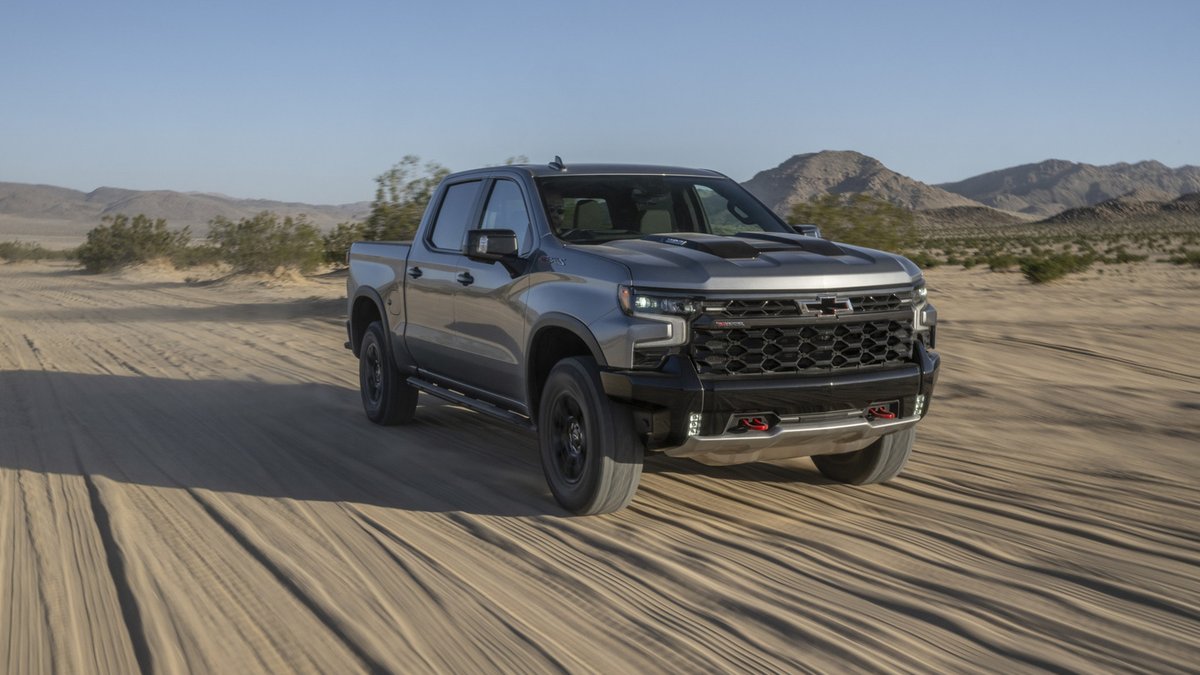
General Motors’ effort to address a widespread engine defect in its 6.2-liter V8 has not resolved the issue, leading federal regulators to investigate nearly a million vehicles.
Hundreds of failures reported after recall repairs
The National Highway Traffic Safety Administration (NHTSA) has begun an Engineering Analysis following 499 reports of engine failures in vehicles that had already undergone recall repairs. Most of these—473—occurred in engines inspected, deemed safe, and refitted with thicker 0W-40 oil as part of GM’s original fix. Another 26 failures involved replacement engines installed under the recall.
GM has recorded 6,953 post-recall engine failures, accounting for over 10% of the roughly 600,000 vehicles initially recalled. The issue was traced to manufacturing defects in crankshafts, connecting rods, and engine bearings, which the thicker oil was intended to protect.
The 2024 recall covered L87 V8 engines built between March 2021 and May 2024. Affected models included the Chevrolet Silverado 1500, Suburban, and Tahoe; the GMC Sierra 1500 and Yukon; and the Cadillac Escalade. Dealers were directed to inspect engines, replace damaged units, and update the rest with 0W-40 oil, a new oil filter, and revised owner’s manuals specifying the thicker lubricant.
NHTSA expands probe to nearly a million engines
The investigation now includes 997,743 engines, extending to models built through 2026. This follows 191 additional failures in engines produced after the May 2024 cutoff, which should not have been affected by the original defect.
The 26 failures in replacement engines are especially concerning. These engines were manufactured after the recall period and should not have shared the same flaws. Their failures indicate the problem may be more complex than GM first recognized, or that the oil change alone is insufficient to prevent long-term damage.
Related: Audi F1 Report: Midseason Position Ideal
Owners have expressed frustration over the ongoing issues. Many believed the recall would solve the problem, only to experience the same failures later. Some have urged GM to switch all 6.2-liter V8s to 0W-40 oil preemptively, though the automaker has not signaled plans to do so. The 6.2-liter engine will be discontinued in the 2027 model year in favor of a new 6.6-liter V8, offering little relief to current owners.
The investigation remains in its early stages, with no additional recall announced. If NHTSA determines the original fix was inadequate, GM may need to revise its repair process, potentially at a high cost. For now, owners are left uncertain, with some fearing their next oil change could be their last.
This situation reflects a common challenge in automotive recalls. When a manufacturer identifies a defect, the solution is often treated as final. Persistent failures, however, suggest the fix may have been incomplete or the problem misunderstood from the beginning.
NHTSA’s findings could influence how regulators approach similar cases, especially when recalls rely on a single corrective measure instead of a broader solution. Until then, confidence in GM’s full-size trucks and SUVs remains uncertain.
For military personnel who drive these vehicles, extended leave programs like those for gamers in uniform offer little comfort when their daily transport is unreliable.