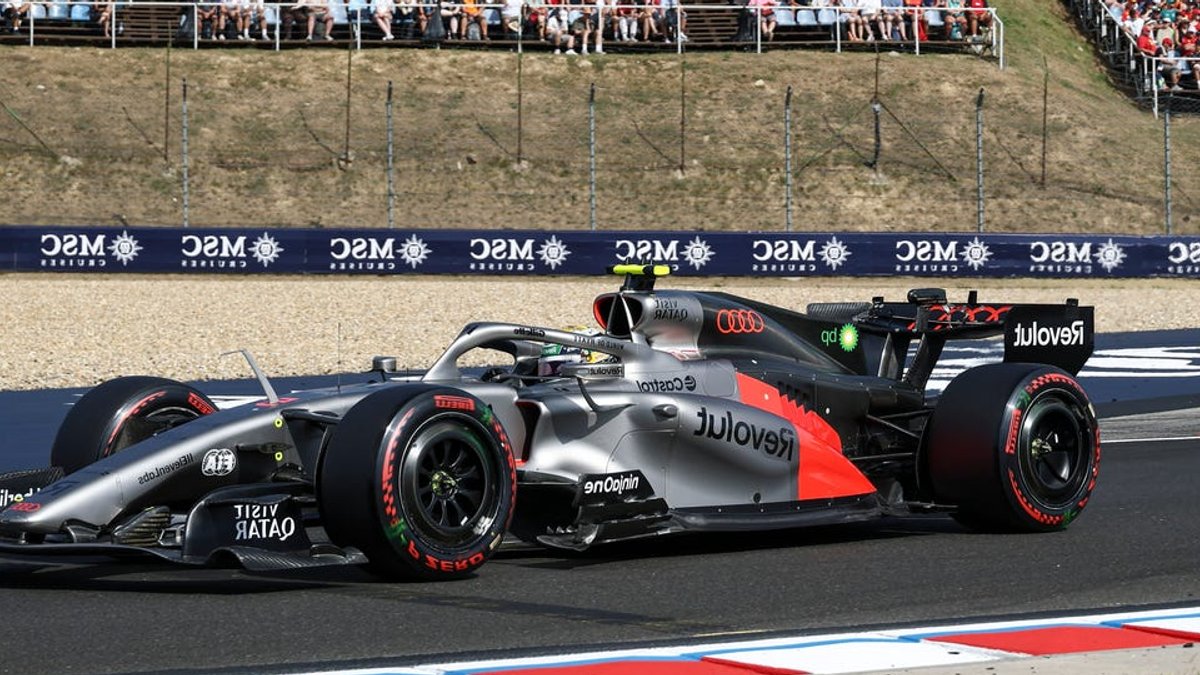
Audi’s debut Formula 1 campaign has been solid if unspectacular, landing the team in 8th place with 12 points after a season of steady development. The German manufacturer took over the Sauber outfit in 2026 to introduce its own power unit and chassis, a transition that has proceeded without major hiccups. The car remains visually and mechanically similar to the Sauber it replaced, which is a credit to the engineering team given the complexity of introducing a new engine from scratch.
Audi has faced its share of reliability issues during the season, particularly during the first half of the year. A slightly larger turbo has hindered performance during race starts, leaving drivers Nico Hülkenberg and Gabriel Bortoleto with a deficit after the first lap. Technical difficulties have been compounded by sheer bad luck, such as a stone striking the safety switch on Hülkenberg’s car in Spain, causing an immediate shutdown.
Staff changes have occurred behind the scenes, with the departure of Team Principal Jonathan Wheatley. The move was handled smoothly through the promotion of Allan McNish to Racing Director, who had been assisting the team previously. The leadership transition appears to have stabilized the operation as the season progressed.
Performance on Track
Despite the difficulties, Audi has shown flashes of potential that suggest the chassis is capable of mixing with the front-runners when the power unit limitations are not a factor. The team has spent most of the year stuck in the midfield, frequently finishing in 11th or 12th place. This position puts them just outside the points-paying zone, though recent results have seen them climb ahead of Williams in the championship standings.
Improvements have been notable in the latter stages of the season. Gabriel Bortoleto secured back-to-back eighth-place finishes in Britain and Belgium, a promising result for the rookie. Nico Hülkenberg finally scored his first points of the year in Hungary with a ninth-place finish. These results, combined with a chassis that has occasionally proven faster than Alpine and Haas, indicate that the team is closing the gap to the leaders.
For a manufacturer targeting the 2030 season for its first championship bid, these results provide a functional baseline. The early reliability problems and poor luck have cost the team more points than the current tally suggests, leaving room for improvement as the season winds down. The focus remains on consistency rather than the podium finishes that remain a long-term goal.
Manufacturers aiming for global scale often look toward major production hubs. China Leads Global Auto Production as a prime example of this industrial capacity.