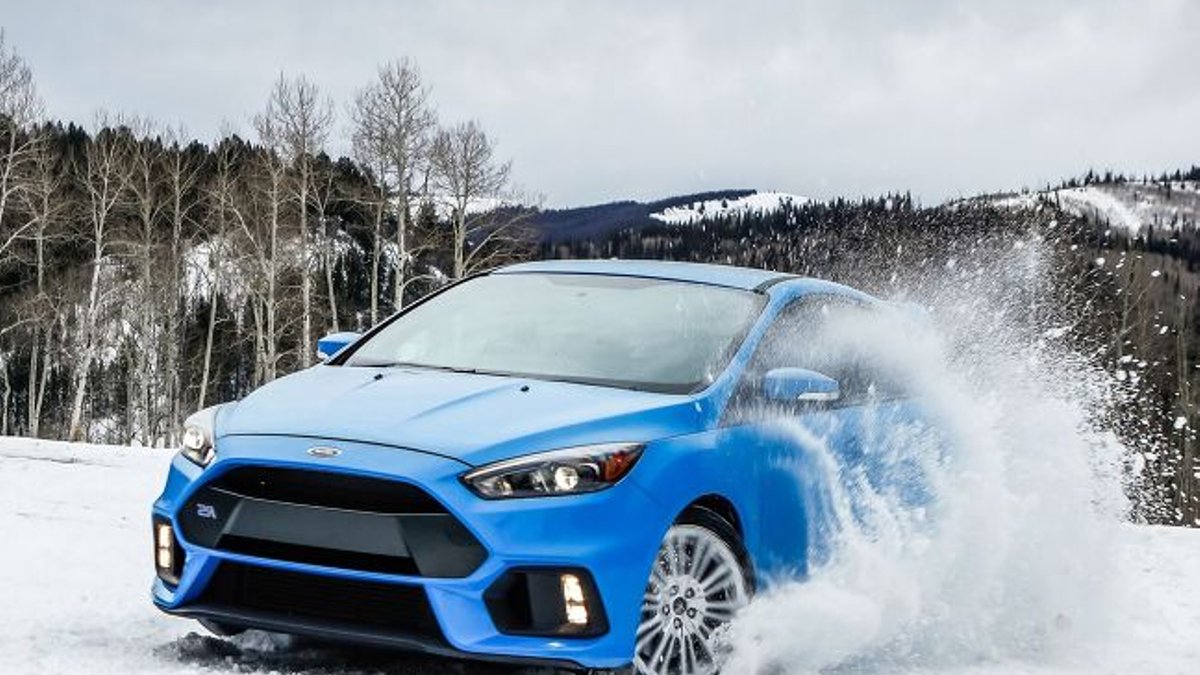
Drivers in colder climates face a critical choice when selecting tires: whether to use winter-specific rubber. In Quebec, Canada, provincial law mandates winter tires for all vehicles, but even in areas without such regulations, they deliver measurable safety gains when temperatures dip below freezing or snow and ice become prevalent.
The performance gap between winter and all-season tires widens dramatically once thermometers fall to 40°F (4.4°C) or lower, a threshold where all-season compounds begin to stiffen and lose adhesion. High-performance all-season tires, in particular, risk cracking or splitting under near-freezing conditions, compromising structural integrity. Winter tires achieve their advantages through a combination of material science and tread engineering. Their softer rubber compound remains pliable in subzero temperatures, maintaining flexibility where conventional tires harden into brittle slabs.
The tread design further enhances winter capability: deeper grooves, larger tread blocks, and microscopic sipes create additional biting edges that grip snow and ice. These features translate directly to shorter braking distances and more predictable handling on slippery surfaces. The marketing claims for all-season tires often overstate their winter suitability. While they perform adequately during spring, summer, and fall, their rubber formulation prioritizes warmth over cold-weather traction.
This optimization yields better fuel efficiency and longer tread life in mild conditions but leaves drivers vulnerable when temperatures drop. All-season tires may meet basic legal requirements in some regions, but their compromised performance in snow and ice creates real-world risks, particularly for vehicles without advanced four-wheel-drive systems. Vehicle type does not eliminate the need for winter tires.
Read Also: Determining Your Car’s Trade In Value
From compact sedans to heavy-duty trucks, the benefits apply universally. Even all-wheel-drive and four-wheel-drive systems rely on tire-to-road contact for traction, and winter rubber provides that critical edge in slippery conditions. Geographic location remains the primary factor in determining necessity. Residents of Florida or South Texas rarely encounter freezing temperatures or significant snowfall, making all-season tires a practical choice for most of the year. However, in regions where winter brings consistent subfreezing temperatures—such as the northern United States, Canada, or northern Europe—winter tires become essential for maintaining control. Practical considerations enter the equation when adopting winter tires. Owners must decide between purchasing a second wheel set for easy swapping or leaving tires mounted on the same rims for professional installation.
The first option eliminates installation costs but demands additional storage space, whether in a garage, attic, or rented unit. The second approach avoids storage hassles but incurs recurring labor fees each season. Both methods require planning, yet the safety advantages often justify the logistical trade-offs. Some drivers also opt for year-round winter tires in extreme climates, though this sacrifices summer performance and tread longevity.
The financial and spatial demands of winter tires cannot be ignored, but the safety benefits consistently outweigh the drawbacks for drivers in susceptible regions. Winter-tire users report fewer skids, shorter stopping distances, and greater confidence in hazardous conditions. For those who prioritize safety over convenience, the decision is straightforward: winter tires remain the gold standard for cold-weather driving.