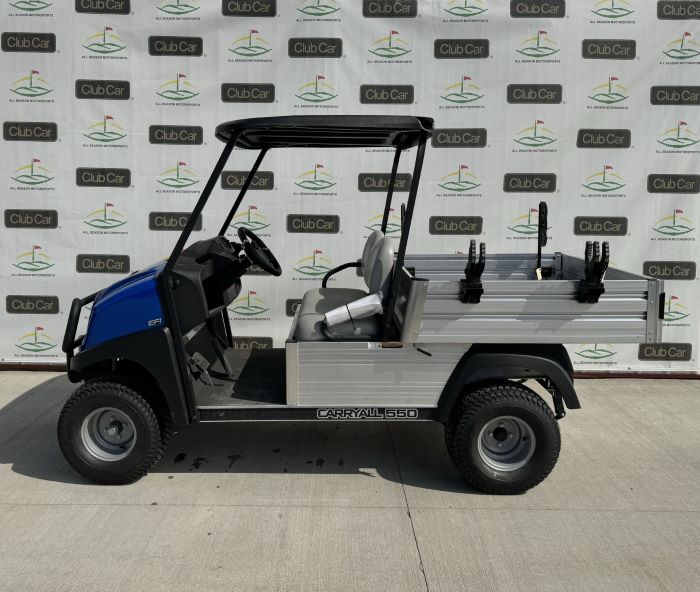
Many people hold the assumption that purchasing a vehicle for recreational use or short-distance travel is a straightforward, low-stakes transaction. They often believe that because these vehicles are generally smaller and less complex than traditional automobiles, the process of buying one requires little more than a quick internet search and a trip to a local lot. However, the reality of finding the right vehicle is more nuanced, involving considerations of intended use, maintenance history, and the reliability of the source.
Why the Initial Assumption About Simplicity Often Leads to Challenges
It is common to view these vehicles as simple machines, but they are subject to a wide range of mechanical and electrical variables that can impact their longevity and performance. An assumption that any unit will serve equally well for a casual weekend outing or regular daily use often overlooks the specific engineering requirements of different models.
When searching for golf carts dealers near me, it is easy to focus exclusively on visual appeal or the lowest available price. Yet, relying on these criteria alone can lead to significant oversights. For instance, a vehicle that appears well-maintained on the surface might have an aging battery pack or a drivetrain that has been subjected to stresses beyond its intended design. Understanding that these vehicles require specialized knowledge for proper upkeep is the first step toward making a more informed decision.
What Actually Matters When Evaluating Vehicles
Rather than prioritizing aesthetic factors, prospective buyers should focus on the underlying mechanics and the history of the equipment. Whether you are looking for a brand-new model or a used golf cart, the following considerations tend to be more indicative of long-term satisfaction:
Mechanical Integrity and Component Health
Regardless of the model, the power system is the heart of the vehicle. For electric models, the health of the battery array is arguably the most significant factor. Ask providers about the age of the batteries, how they were charged, and whether there is documentation regarding recent service. For internal combustion models, focus on the state of the engine, fuel system, and transmission. A reliable dealer will be able to discuss these components with transparency.
Intended Use and Capability
Are you planning to use the vehicle on paved paths, hilly terrain, or loose surfaces? The torque requirements and suspension setup can vary significantly based on your environment. A vehicle designed for a flat, manicured course may not perform optimally on steep, uneven ground. Discussing your typical driving conditions with a dealer is a practical way to ensure the vehicle is suited to the terrain you encounter.
Maintenance and Serviceability
Ask yourself: where will this vehicle go for future maintenance? One of the most common oversights is purchasing a model that is difficult to find parts for or lacks local service support. A reputable dealer typically provides ongoing support or has established relationships with service networks. When evaluating a potential purchase, consider how accessible repair services are in your local area.
How to Tell the Difference Between Quality Providers and Others
Identifying a trustworthy partner in the sales process is a skill in itself. When you are scouting golf carts dealers near me, pay attention to how they handle your questions rather than just the vehicles they have on the lot.
A high-quality provider tends to ask you questions before they offer recommendations. They want to know your expected frequency of use, your terrain, and your storage capabilities. This consultative approach suggests they are interested in matching you with a functional tool rather than simply completing a sale.
Furthermore, be cautious of sellers who are unable or unwilling to discuss the provenance of a used golf cart. Transparency regarding the previous life of a pre-owned vehicle—whether it served on a commercial course, in a residential community, or as a fleet vehicle—is crucial. A reputable seller should be able to provide context on the unit’s maintenance record or at least provide a clear assessment of its current condition. If a provider appears hesitant to answer direct questions about the history or service requirements of a unit, it is often a sign to continue your search elsewhere.
Reframing the Way You Think About Vehicle Ownership
Reframing the acquisition process involves shifting from a mindset of “buying a product” to “entering a relationship with a machine.” This means accepting that ownership involves a commitment to ongoing care.
When you purchase a used golf cart, you are also inheriting its mechanical history. Regular maintenance—such as checking fluid levels, inspecting tire pressure, and ensuring electrical connections are clean and tight—is essential for extending the utility of the vehicle. By viewing the purchase as the beginning of a cycle of maintenance, you are better prepared to address issues before they result in a loss of function.
Additionally, consider the environment in which you live. Residents of the area may face specific challenges related to humidity, temperature fluctuations, or the nature of local paths, all of which can accelerate wear on specific components. A local dealer who understands the regional conditions can offer advice on protective measures, such as appropriate storage covers or specialized battery maintenance for colder or hotter seasons.
Ultimately, the goal is to move away from the expectation of a “set it and forget it” purchase. By prioritizing mechanical transparency, understanding your own specific needs, and identifying a dealer who acts as a partner in your maintenance strategy, you can avoid common pitfalls. The most successful owners are those who approach the process with a focus on durability and long-term utility rather than immediate convenience. The right vehicle, properly selected and maintained, can serve as a dependable asset for many years.