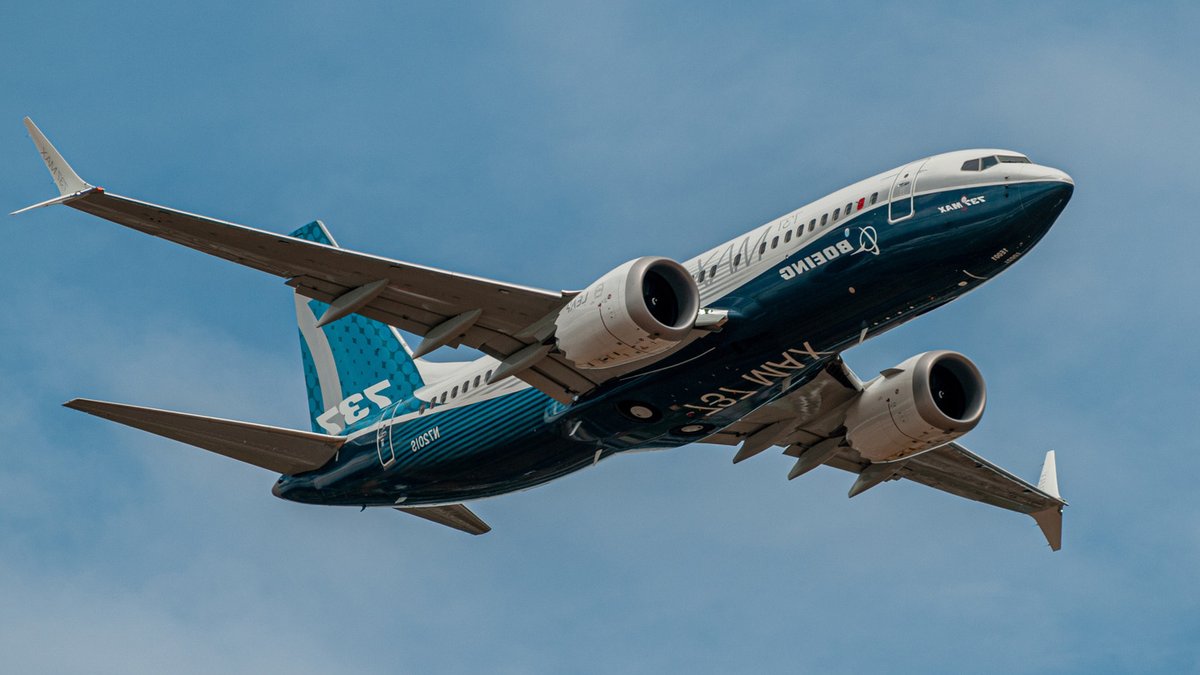
The smallest member of Boeing’s 737 Max family has finally cleared a key regulatory hurdle after nearly eight years of delays and setbacks. The Federal Aviation Administration granted certification to the 737 Max 7, allowing the company to begin deliveries to customers who have been waiting since the variant was first announced in 2013.
Southwest Airlines will be the first to receive the new aircraft. The airline had originally revealed the Max 7’s existence more than a decade ago.
Related: GM 6.2L V8 engines still failing after recall fixes
Certification comes after years of scrutiny
The Max 7’s approval follows a turbulent period for Boeing, which has spent years rebuilding trust with regulators and airlines after two fatal crashes of the larger 737 Max 8 in 2018 and 2019. Those incidents, which killed 346 people, led to a global grounding of the Max fleet and forced Boeing to redesign critical flight control software.
In recent months, the company has regained some momentum. The FAA lifted a production cap on the 737 program in June, allowing Boeing to increase monthly output to 47 jets, up from a low of 38. The agency also restored Boeing’s authority to self-certify certain aspects of its aircraft, though it continues to station inspectors at the company’s factories to oversee production.
A niche jet with long-range potential
The Max 7 is the shortest and lightest version of the 737 Max family, designed to carry up to 160 passengers over distances of 3,800 nautical miles. That range exceeds both the Max 8 (3,500 nautical miles) and Max 9 (3,300 nautical miles), making it better suited for thinner, long-haul routes or airports in high-altitude or hot-climate regions where performance is critical.
Related: Six vehicles had zero fatalities last year
Boeing says the Max 7 is better for taking off from high altitudes and hot climates. The model has less than 300 orders waiting for it, the vast bulk of which are for Southwest. For comparison, the Max 10—the largest variant, with a capacity of up to 210 passengers—has over 1,500 orders, or nearly 25% of all unfilled 737 backlog.
Despite its advantages, the Max 7’s limited appeal is evident in its order book. Most airlines have opted for the larger Max 8 or Max 9, which offer better economics for high-density routes. Boeing expects the Max 10 to achieve certification later this year. With luck, both aircraft will be flying customers by next year.