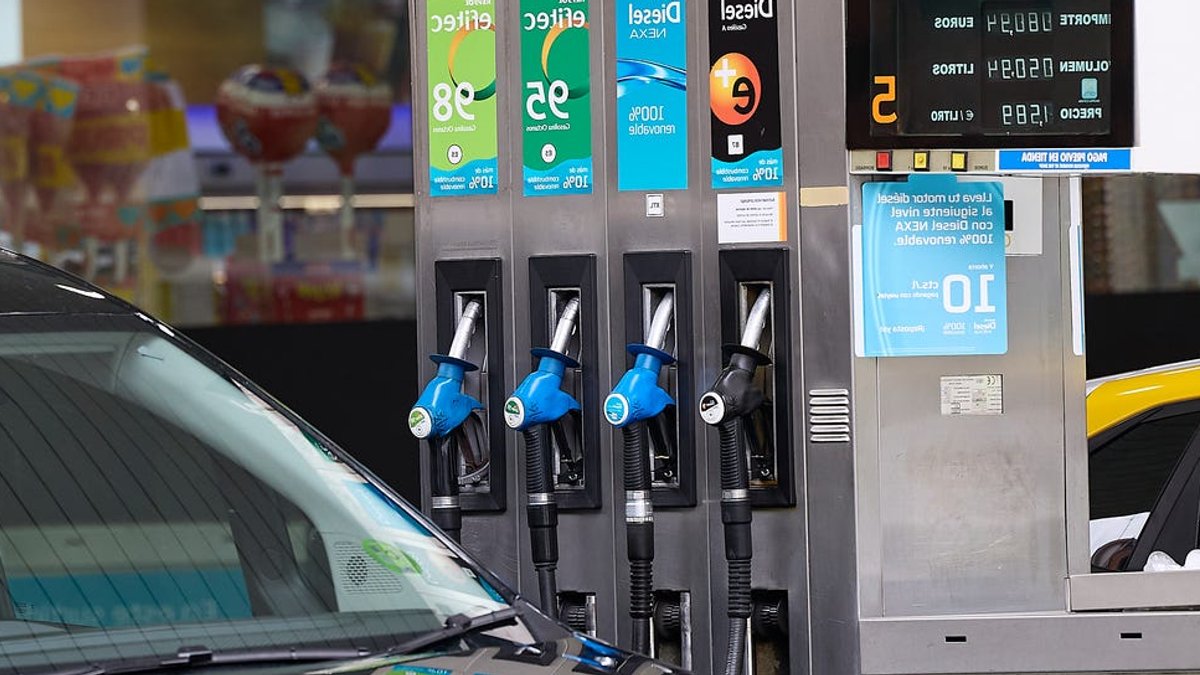
BMW and Toyota are partnering with Repsol and Bosch to test the use of 100% renewable gas in regular cars. The pilot program, which launched in early July, will run for six months and involve a fleet of 20 Toyota and BMW vehicles. These vehicles will use existing renewable fuel infrastructure, with Repsol providing its Nexa 95 blend, a 100% renewable gasoline made from used cooking oil and tallow.
The fuel is compatible with the fuel systems in vehicles already on the road, according to the study’s partners. Bosch will provide its digital fuel tracking system to support the experiment and certify the results of the renewable fuel.
The goal of the program is to collect data showing that renewable fuel can play a major role in the future decarbonization of Europe’s mobility sector. The use of renewable fuel could help reduce greenhouse gas emissions compared to traditional fossil fuels.
Stefan Heller, head of development of the VEEF program for BMW, stated that technology openness is a key pillar of the BMW Group strategy – at the same time their goal is always to have more environmentally friendly and efficient vehicles on the road. BMW and Mini vehicles will be used in the pilot program to gain valuable data and help offer customers the best and most efficient powertrain in the future.
Related: Ferrari Spider drives better than it looks
The success of this pilot program could have significant implications for the automotive industry, particularly in Europe where strict emissions regulations are in place. If renewable fuel can be used in vehicles without significant modifications, it could help extend the life of gas-powered sports cars from manufacturers like Porsche, BMW, Ferrari, and Lamborghini.
As the world moves towards a less oil-dependent future, studies like this one could provide a viable alternative to electrification. The use of renewable fuel could help reduce emissions while still allowing for the production of gas-powered vehicles.
They will closely watch the results of this study. If the pilot program is successful, it could pave the way for the widespread adoption of renewable fuel in the automotive sector.
The pilot program will continue to run for the next few months, with the partners collecting data and monitoring the performance of the vehicles. The results of the study will be closely analyzed to determine the viability of renewable fuel as a replacement for traditional fossil fuels.
Related: F1 stars struggle at Silverstone again
In the middle of this development, the success of this pilot program could lead to a gradual shift towards renewable fuel in the automotive industry. As the industry continues to evolve, it’s possible that they will see a mix of electrification and renewable fuel as manufacturers work to reduce emissions and meet strict regulations.
Repsol is likely to play a key role in this transition, with the company leading the charge. As the demand for renewable fuel grows, they can expect to see increased investment in the development of new technologies and infrastructure to support its production and distribution.
For now, the focus is on the pilot program and the data it will provide. The results of the study will be eagerly anticipated by industry watchers and environmental groups alike, as they look to see if renewable fuel can provide a viable alternative to traditional fossil fuels.
It will be interesting to see how this development affects the industry. Would you be willing to try a renewable fuel in your favorite car? Let us know down below.