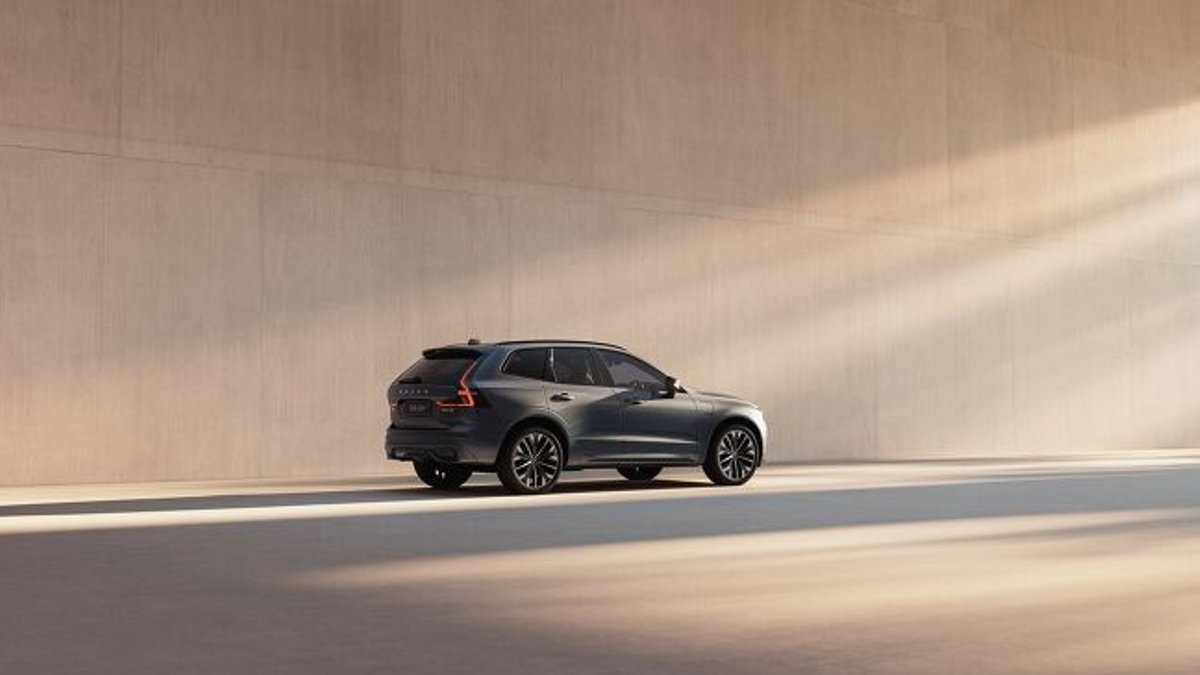
Volvo’s design team is adopting its Scandinavian heritage while avoiding retro styling. The 2028 XC40 and XC60 models, unveiled in September 2026, showcase a design language rooted in the 2015 XC90, with sharp creases, geometric shapes, and the iconic Thor’s Hammer headlights. This design philosophy has proven enduring, contrasting with other brands that frequently overhaul their aesthetics. The XC90 not only marked a stylistic shift but also introduced Volvo’s transition to exclusively four-cylinder powertrains, showing its role as a key model for the brand.
Alain Snoodijk, an exterior designer at Volvo, explains that this approach is deeply tied to Scandinavian culture, emphasizing timelessness over fleeting trends. This philosophy provides a stable foundation for future designs, allowing for gradual refinement of key elements like the tall taillights seen in the latest models. Snoodijk notes that while there’s a cohesive family look across Volvo’s lineup, individual teams have room for experimentation, ensuring each model retains unique design nuances.
As a brand that is celebrating its centennial next year, Volvo has a lot of design history to pull from. The goal is to create a new experience for customers, blending heritage with modern functionality. Yes, the shorter, wider grille of the ‘28 cars can be a subtle nod to the P1800. The bigger story is what the P1800 meant: it was a bold new move for Volvo in the early 1960s, one looking forward. “We try to link something to the heritage of the brand, which was trying to be as advanced as possible.”
Snoodijk notes the unique challenges and opportunities of designing smaller SUVs like the XC40. He explains that it’s easier to scale up a design from a smaller package than to scale down from a larger one. The XC40‘s compact size allows for a punchy, character-driven design that emphasizes its unique personality. Larger vehicles, on the other hand, focus more on presence and premium feel.
Read Also: Lotus revives Esprit with 1,000-hp hybrid V8
Snoodijk appreciates the freedom to amplify character in smaller cars, making the design process particularly rewarding. He adds that “Maybe larger cars are a bit more about presence, and much more about, you know, premium feeling, and a small car, you can kind of really emphasize and blow up the characters. And that’s really nice to do as a designer.”
Volvo’s design team draws inspiration from various sources, including customer feedback and Scandinavian interior design. Snoodijk highlights the influence of his colleagues’ living spaces, noting the coziness and thoughtfulness evident even in virtual calls. This attention to detail extends to the cars, reflecting the brand’s commitment to creating inviting, well-designed interiors.
He humorously points out that the long, dark Scandinavian winters encourage people to make their homes exceptionally cozy, a principle that translates into Volvo’s interior design philosophy. In conclusion, Volvo’s design approach is centered around its Scandinavian heritage, focusing on timelessness and functionality while creating a unique experience for its customers. Become an AutoGuide insider. Get the latest from the automotive world first by subscribing to our newsletter here.