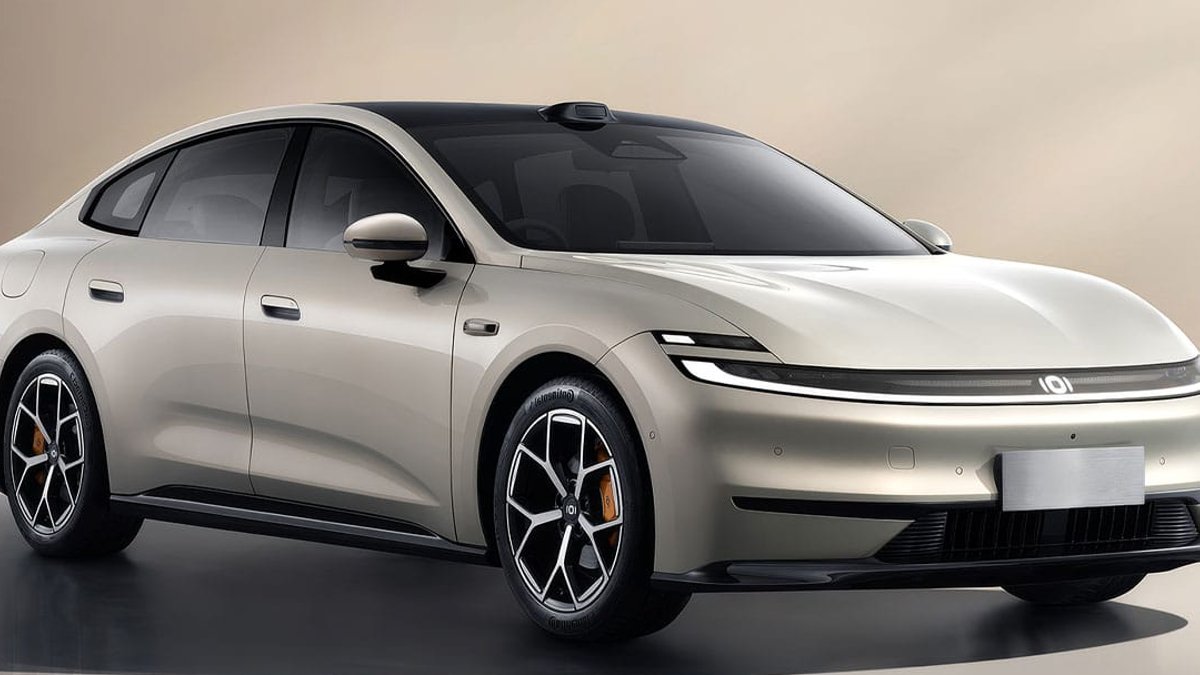
The sodium-ion battery has long been touted as a cheaper alternative to lithium-ion, though few drivers have had the chance to buy one. That may soon change.
In 2026, CATL and Changan introduced a 175Wh/kg sodium-ion system in the Nevo A06 passenger car. CATL claims its Naxtra battery has reached GWh-level industrialisation, and SAE International issued J3335, a set of tests for sodium-ion cells in electric vehicles.
Sodium-ion batteries don’t yet match lithium-ion for energy density, and they aren’t automatically cheaper at current lithium prices. No sodium-ion EV is confirmed for UK showrooms. However, the technology has advanced enough to show where it outperforms lithium-ion.
Sodium-Ion Batteries: Cold-Weather Champions
Sodium-ion batteries excel in extreme cold, avoid lithium, and could diversify supply chains. Their main drawback is lower energy density. The International Energy Agency (IEA) puts leading sodium-ion cells at 175Wh/kg, compared to 205Wh/kg for LFP and 265Wh/kg for NMC lithium-ion cells.
CATL’s Naxtra, developed with Changan, reaches 175Wh/kg and is being developed for passenger cars. However, no sodium-ion EV is confirmed for UK sale as of September 2026.
Sodium-ion batteries use sodium ions, which are abundant and widely distributed, unlike lithium. However, sodium ions are larger and heavier, reducing energy density. This makes sodium-ion batteries better suited for shorter-range vehicles, vans, urban fleets, and cold climates.
Three developments boosted sodium-ion’s credibility in 2026: improved cell performance, scaled-up manufacturing, and new industry standards. CATL claims it has solved production challenges and will begin full-scale mass production of Naxtra by year-end.
Read Also: Tesla Roadster reveal rescheduled to October 15
Industry Standards Boost Sodium-Ion Credibility
SAE’s J3335 standard, issued in September 2026, provides a common testing framework for sodium-ion cells. Such standards indicate that a technology is moving from labs to mass production.
While sodium-ion has a raw-material advantage, it lags in energy density and supply chain maturity. The IEA notes that current lithium prices aren’t high enough for sodium-ion to undercut LFP in most cases. Sodium-ion’s strengths lie in cold-weather performance and supply diversity, not just cost.
Sodium-ion batteries retain 90% capacity at -40°C, a major advantage in cold climates. They also avoid lithium and graphite, though they may still rely on materials like nickel or manganese. This flexibility allows battery makers to shift between chemistries based on raw-material prices.
However, sodium-ion’s lower energy density means larger, heavier batteries for the same range. Its supply chain is also immature, with China dominating over 95% of current and planned manufacturing capacity by 2030.
Supply Chain Challenges for Sodium-Ion Batteries
The supply chain for sodium-ion batteries is in its early stages. According to the IEA, current manufacturing capacity is just over 1% of lithium-ion capacity, with projected 2030 capacity reaching only 7% of lithium-ion. This disparity highlights the need for significant investment to compete with established lithium-ion infrastructure.
Despite sodium’s abundance, the sodium-ion battery industry is heavily concentrated in China. The IEA reports that China accounts for over 95% of existing and planned 2030 manufacturing capacity. This raises concerns about supply chain resilience and geopolitical risks, similar to those associated with lithium.
Cost is another critical factor. While sodium-ion batteries may offer long-term cost advantages, they currently struggle to compete with LFP batteries, which continue to become cheaper and more efficient. The IEA notes that at present lithium prices, sodium-ion is not generally cheaper than LFP in most applications.