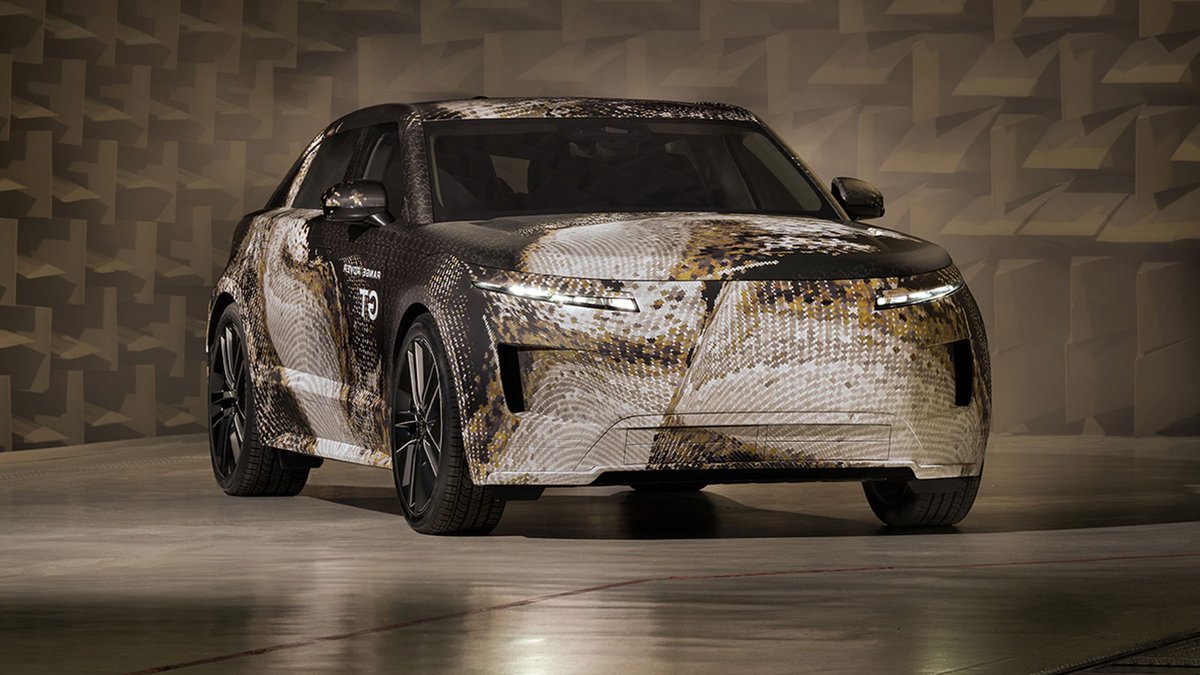
The Range Rover GT has arrived, marking a major departure for a brand historically defined by its towering SUVs. This all-electric grand tourer represents Land Rover’s most ambitious attempt to redefine its identity—one that prioritizes refined road manners over rugged off-road performance. The move follows Jaguar’s Type 00 Concept, which sparked debate, leaving questions about whether the GT will face similar criticism or establish its own market position.
“‘The prophecy was foretold… for about 20 years’ The Road Rover lives!” While the concept has circulated in automotive circles for decades, only now, with battery-electric platforms enabling radical redesigns, has it become a practical reality. The timing aligns with a broader industry trend toward lower, more efficient SUVs, though the GT’s launch risks competing with Jaguar’s upcoming Type 01 electric coupe. Both models target affluent buyers, though Land Rover’s global recognition gives it an advantage.
Critics emphasize the GT’s core challenge: convincing customers that a low-slung Range Rover does not contradict the brand’s identity. The GT must retain some off-road capability, even if most owners never use it. Second, it needs to deliver exceptional comfort, a strength of traditional Land Rovers. Third, it must reinforce the brand’s aspirational appeal, reinforcing the idea that ownership carries prestige.
A Coupe That Confuses the Brand
The GT’s design language sharply diverges from conventional Range Rovers. For a car prioritizing highway comfort over performance, the label feels misaligned. “But if the buying public proves reluctant to sign up, blame the name,” one automotive editor noted.
Land Rover’s decision to launch the GT exclusively as an electric model may also fuel skepticism. The absence of a traditional Range Rover badge, replaced by a more understated grille, further signals a shift toward road-focused design. However, brand loyalists may view this as a departure from Land Rover’s heritage.
A senior content creator framed the GT as a calculated risk. “Range Rover’s fanbase is nothing if not loyal,” they observed, noting the brand’s international appeal extends far beyond its British off-road origins. The GT’s target audience, they argued, is the urban professional who values prestige over capability. If the car excels in refinement and exclusivity, even minimal off-road credentials could serve as a symbolic nod to tradition rather than a practical feature.
Evolution or Gamble? Market Reactions
Early reactions reveal a split between those viewing the GT as a necessary evolution and others seeing it as an unnecessary gamble. A senior content creator questioned whether any buyer truly demanded a low-slung Range Rover, given the brand’s reputation for commanding presence. Yet the GT’s arrival coincides with industry trends, as coupe-SUVs like the Mercedes-AMG GT and Porsche Macan Coupé have proven market demand for such designs. Land Rover’s entry may be late, but it follows established precedent.
The GT’s name remains controversial. Staffers noted that “GT” as a standalone badge is rare, with most examples, like the Bentley Continental GT or Maserati GranTurismo, tied to racing heritage or long-distance driving. The Alfa Romeo GT and McLaren GT were referenced as examples of how the badge can become ambiguous, with the latter often perceived as a premium version of an existing model.