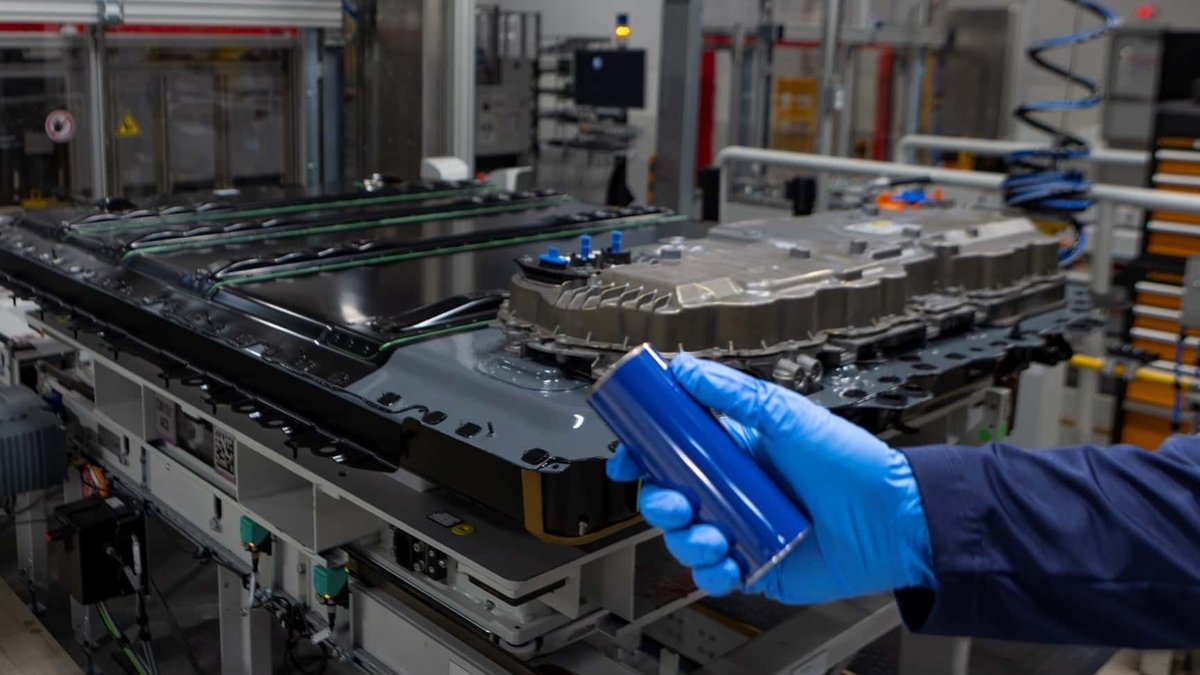
Bosch has identified a critical flaw in the electric vehicle transition: high repair costs for EV batteries may shorten a vehicle’s usable life, creating a financial hurdle that discourages long-term ownership. The supplier insists the aftermarket must evolve to maintain EV viability beyond warranty periods, or risk accelerating the scrapping of vehicles before their functional lifespan ends.
The core issue lies in economics. As vehicles become increasingly complex and dependent on high-voltage systems, repair expenses can surpass a car’s resale value. Rupert Hoellbacher, head of Bosch Mobility Aftermarket, explained in an interview with Automobilwoche that the shift to electric vehicles deepens this challenge. While EV batteries are engineered for decades of service, replacing an entire pack, the car’s most costly component, often becomes unfeasible for older models.
Bosch argues that many battery failures do not demand full replacements. Individual modules can be repaired or replaced, but only if the aftermarket develops practical and affordable solutions. Without these, a high-mileage vehicle could become economically unviable long before its mechanical limits are reached.
This problem has environmental consequences as well. Extending a car’s usable life reduces waste and preserves the durability designed into modern vehicles. Hoellbacher described the scenario as a “major setback” if repair costs become prohibitive, emphasizing that many components are built for long-term service. Discarding functional vehicles contradicts the industry’s sustainability goals.
Beyond batteries, rising new-car prices and increasingly sophisticated technology could make maintaining older vehicles financially unattractive. The aftermarket’s ability to diagnose and repair EVs at reasonable costs will determine whether electrification results in longer-lasting vehicles or a cycle of premature disposal.
If battery repairs remain inaccessible for most owners, a contradiction emerges: vehicles designed for decades of use may instead be treated as disposable once warranties expire. The industry’s emphasis on adding features over long-term reliability could worsen this trend, making repairs less practical as cars age.
Bosch’s concerns reveal a central conflict in the EV transition. Without cost-effective repair options, even the most advanced electric vehicles could experience shorter lifespans, undermining both economic and environmental objectives.
The question now is whether the aftermarket can address this before it becomes a widespread issue. If it fails, EV owners may face an unwelcome choice: invest in repairs that diminish a vehicle’s value or abandon it entirely.