
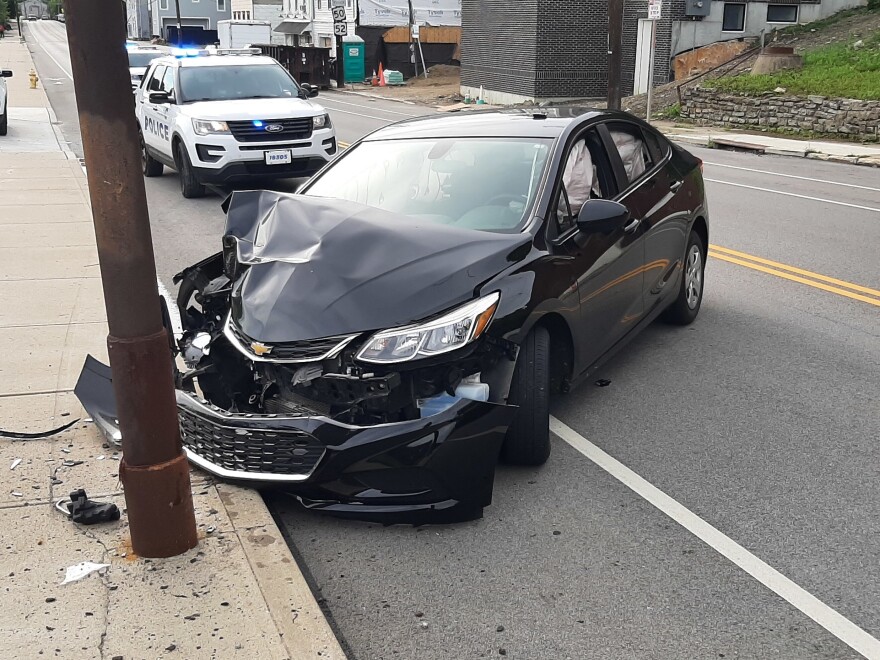
The most important thing to do after a car accident is to ensure safety, check for injuries, call the police, and document the scene. From there, seek immediate medical attention, notify your insurer, and hire an experienced car accident lawyer right away. Taking these steps protects both your health and your rights.
Car collisions are stressful, but knowing what to do helps you stay in control. Taking the right steps at the scene and in the days following the collision can protect your health and your legal rights. From medical care to insurance claims, acting quickly matters.
Perhaps the most important step you can take after a collision is to hire an experienced attorney as soon as possible. Insurance companies are not on your side. A lawyer helps protect you from low-ball settlement tactics, ensures key evidence is preserved, and fights to secure the full compensation you deserve.
What steps should I take after a motor vehicle collision?
Prioritize safety
Right after a crash, focus on safety. Turn on hazard lights. If you can, move your vehicle to the side of the road to avoid another collision. If you can’t move the car, stay inside with your seatbelt on until help arrives. Call 911, even if the collision seems minor. This shows you took the collision seriously and creates a record.
Check for injuries
Check yourself and passengers for injuries, then check on others involved. Call for medical help if anyone is hurt. Some injuries, like concussions or internal trauma, may not show right away. Even if you feel okay, get checked by a doctor. This is one of the most important steps to take.
Call the police
Michigan law requires a police report if a collision causes injury, death, or property damage over $1,000. Police will take statements, document the scene, and may assign fault. These reports are key evidence for insurance and legal claims. Some insurance policies also require a report within a set time. If you don’t file one, you could lose coverage.
Document the scene
Take photos and videos of the scene. Get shots of damage, license plates, skid marks, road signs, and weather conditions. Include close-ups and wide views. This helps prove what happened and protects you if others give false information later.
Seek medical attention immediately
Even if you feel fine, always seek medical care. Adrenaline often masks pain, and delayed car accident injuries can worsen if untreated. Conditions like whiplash, concussions, or internal bleeding may not be apparent at first. Prompt treatment creates a medical record linking your injuries to the collision, which is a key factor in any claim. If new symptoms develop later, return to your doctor immediately to update your records.
Report and document all injuries
When receiving treatment, report every symptom to medical staff, no matter how minor it seems. Ask that everything be documented in your records.
Common delayed injury symptoms include:
- Headaches after car accident
- Dizziness or lightheadedness
- Blurred vision
- Ringing in the ears
- Difficulty concentrating or memory loss
- Emotional changes
Having these symptoms documented in your medical records protects you against insurance companies claiming your injuries were unrelated to the collision.
Notify your insurance company
Notify your insurer promptly. Provide basic facts, such as time, date, location, and the parties involved. Do not speculate about fault. Your insurer will begin the claims process, document damages, and determine coverage. Delaying notification risks denial of benefits under your policy.
Never give statements or sign releases
Insurance adjusters may ask for a recorded statement or pressure you to sign papers. Don’t do either without talking to a lawyer. Your words can be twisted to weaken your claim. Some forms may take away your right to seek more compensation. Let an attorney review anything before you sign.
File a No-Fault benefits application
Michigan’s No-Fault law requires filing an application to access benefits such as:
- Medical coverage
- Lost wages
- Household replacement services
- Mileage reimbursement for medical appointments
- Attendant care benefits
You have one year from the date of the collision to file—but waiting risks losing benefits. File immediately to ensure you begin receiving necessary coverage quickly.
Obtain a copy of your police report
Get a copy of the police report from the department that handled the crash or from the Michigan State Police Traffic Crash Purchasing System. This report is important for both insurance claims and legal action. Always review it for accuracy.
Attend all medical appointments
Don’t skip appointments. Missed visits can hurt your recovery and your claim. Insurers may say you’re not truly injured. Regular care shows you’re serious about healing and proves the extent of your injuries.
Keep good records
Organize everything related to your collision:
- Medical bills, treatment notes, and prescriptions
- Daily logs of pain, fatigue, and emotional struggles
- Notes on how the injuries impact work, family, and quality of life
- Photos of visible injuries
Good documentation strengthens your claim and allows your attorney to present a complete picture of your damages.
Comply with notice requirements
Your auto insurance policy may have strict deadlines. For example, some hit-and-run claims require a police report within 24 hours and insurer notice within 30 days. Missing these deadlines could cancel your coverage. Read your policy carefully or ask a lawyer to review it.
Consider hiring an attorney
One of the most critical steps after a motor vehicle collision is hiring an experienced car crash attorney quickly. Insurance companies try to delay, deny, or underpay claims. A lawyer protects your rights, collects evidence, and deals with insurers for you. Most lawyers only get paid if you win, so there’s no upfront cost.
Who pays for car repairs?
Michigan’s No-Fault insurance covers medical bills and lost wages, but not automotive repairs. Vehicle damage depends on your coverage and fault:
- With collision coverage: Your insurer pays for repairs (minus your deductible). Broad form may waive the deductible if you weren’t at fault.
- Without collision coverage: You can file a Mini-Tort claim against the at-fault driver for up to $3,000 toward repairs or your deductible.
- If you’re at fault: Your collision coverage pays for your automobile, and the other driver may file a Mini-Tort claim against you.
- If the other driver’s at fault: Your collision pays first, then you can seek up to $3,000 from their insurer to cover your deductible or extra costs.
When should I hire a lawyer?
The sooner you hire a lawyer the better. Early involvement means your attorney can:
- Preserve evidence before it disappears
- Prevent insurance adjusters from obtaining damaging statements
- Ensure claims are filed on time
- Build a stronger case for maximum compensation
How much does it cost to hire a lawyer?
Most lawyers charge nothing upfront. They take a percentage of your settlement, usually one-third. This makes legal help affordable and motivates your lawyer to get the best result.
Injured and need help? Contact an experienced attorney today!
If you’re unsure what to do after a collision, the most important step—after getting medical care—is to talk to a lawyer right away. The hours and days after a collision matter. Evidence can disappear. Insurance companies may pressure you. Legal deadlines apply.
A lawyer will protect your rights, collect key evidence, and make sure you don’t give up claims by mistake. The sooner you act, the stronger your case and the better your chance at full compensation for medical bills, lost income, and pain and suffering. Don’t wait—get legal help now.