The Evolution of Automotive Journalism in the Digital Age
The automotive industry is currently undergoing its most significant transformation since the invention of the assembly line. With the rapid shift toward electrification, autonomous driving, and software-defined vehicles, the way we consume automotive news has changed just as drastically. For journalists, bloggers, and content creators, staying relevant in this fast-paced environment requires more than just a passion for cars; it requires a strategic approach to information gathering and delivery.
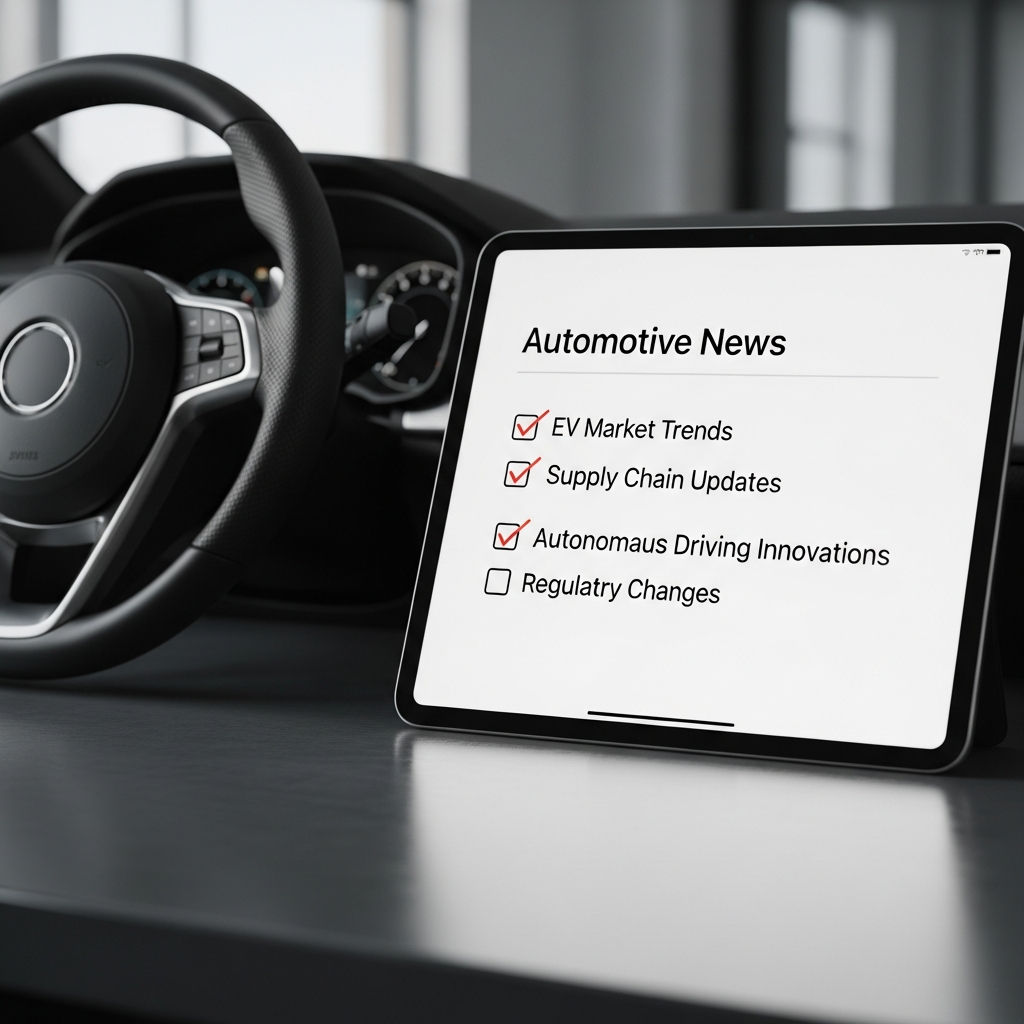
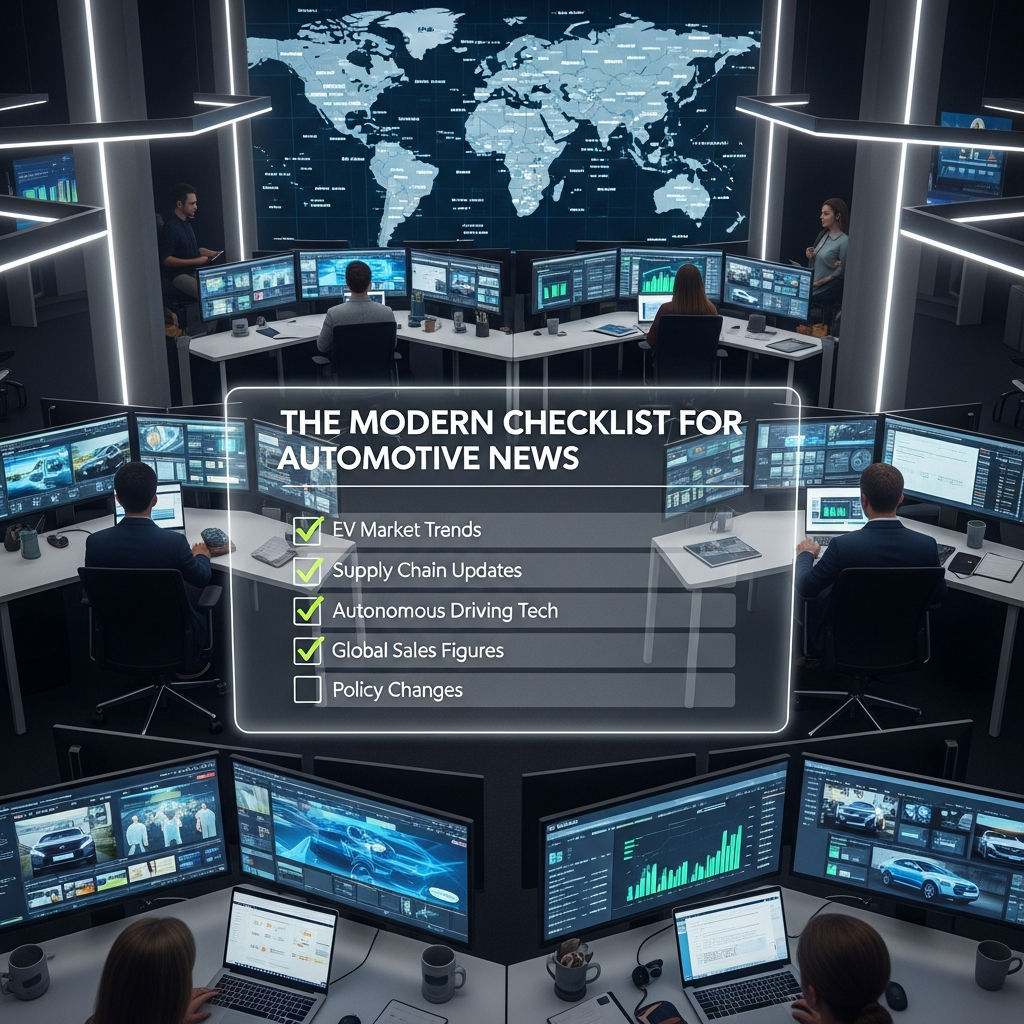
Gone are the days when a monthly magazine subscription was the primary source of car news. Today, news breaks in seconds on social media, and deep-dive technical reviews are available at the click of a button. To compete in this saturated market, creators must follow a comprehensive “Modern Checklist for Automotive News” to ensure their content is accurate, engaging, and search-engine optimized.
The Essential Modern Checklist for Automotive News
Whether you are reporting on a new hypercar reveal or the latest battery technology, your content needs to meet specific criteria to resonate with a modern audience. Here is the definitive checklist for producing high-quality automotive news today.
1. Real-Time Accuracy and Source Verification
In the race to be first, many outlets sacrifice accuracy for speed. However, in the automotive world, credibility is your most valuable currency. A modern checklist must include:
- Cross-Referencing Leaks: If a “spy shot” appears on a forum, verify the location and the vehicle’s proportions against known prototypes.
- Official Press Releases: Always compare secondary reports against official manufacturer media kits to avoid misquoting specifications.
- Identifying “Renderings” vs. Reality: Clearly distinguish between artist impressions and actual leaked images to avoid misleading your readers.
2. The “Green Shift”: Covering Electrification and Sustainability
You cannot cover automotive news today without a deep understanding of Electric Vehicles (EVs). The modern checklist requires reporting on more than just 0-60 mph times. Content must now address:
- Charging Infrastructure: Discussing NACS vs. CCS standards and real-world charging curves.
- Battery Chemistry: Explaining the differences between LFP (Lithium Iron Phosphate) and NMC (Nickel Manganese Cobalt) batteries.
- Sustainability Metrics: Reporting on carbon-neutral manufacturing and the lifecycle impact of vehicle production.
3. Technical Depth: Software-Defined Vehicles (SDVs)
Modern cars are essentially computers on wheels. A modern automotive news piece must look under the digital hood. This includes coverage of:
- Over-the-Air (OTA) Updates: How software updates are changing vehicle performance and features post-purchase.
- Infotainment and UI/UX: Analyzing the lag, layout, and connectivity options (Apple CarPlay, Android Auto, or proprietary systems).
- Autonomous Features: Differentiating between Level 2 and Level 3 driver-assistance systems with technical clarity.
Mastering SEO for Automotive Content
Writing great content is only half the battle. To ensure your automotive news reaches the right audience, you must master Search Engine Optimization (SEO). The automotive niche is highly competitive, and your checklist should include specific SEO actions.
4. Keywords and Search Intent
Modern SEO is less about keyword stuffing and more about satisfying search intent. For automotive news, this means targeting:
- Long-Tail Keywords: Instead of “new SUVs,” target “best 3-row electric SUVs for 2025.”
- News-Specific Queries: Use phrases like “release date,” “price reveal,” and “specs comparison.”
- Local SEO: If you are reporting on an auto show or a local dealership event, include geographic identifiers.
5. High-Quality Multimedia and Alt-Text
Automotive news is inherently visual. High-resolution images and videos are mandatory. From an SEO perspective, ensure that:
- Alt-Text is Descriptive: Instead of “car.jpg,” use “2024-Porsche-911-GT3-RS-front-three-quarter-view.”
- Video Integration: Embed YouTube walkarounds or TikTok reels to increase “dwell time” on your page, a key ranking factor for Google.
- Schema Markup: Use “Review” or “NewsArticle” schema to help search engines display rich snippets, such as star ratings or publication dates, in search results.
6. Mobile Optimization and Core Web Vitals
Most automotive news is consumed on mobile devices—often by users at dealerships or car meets. Your site must be fast and responsive. A checklist for technical SEO includes:
- Fast Loading Times: Compress large car photos without losing quality.
- Readability: Use short paragraphs and clear headings to make the content skimmable on small screens.
- Internal Linking: Link to your previous reviews or related news to build topical authority.
The Human Element: Ethics, Voice, and Community
Beyond the technical and SEO requirements, the most successful automotive outlets have a distinct voice and a loyal community. This section of the checklist focuses on the “soft skills” of automotive journalism.
7. Transparency and Ethics
The relationship between automakers and journalists is complex. To maintain trust, follow these guidelines:
- Disclosure: Always disclose if a manufacturer paid for travel to a launch event or if a vehicle was provided as a loaner.
- Objective Criticism: Don’t be afraid to point out flaws in a highly anticipated model. Readers value honesty over PR-friendly fluff.
- Fact-Checking: In an era of AI-generated content, human fact-checking is a premium service.
8. Engaging the Community
Automotive news shouldn’t be a one-way street. Modern platforms thrive on interaction. Encourage engagement by:
- Interactive Polls: Ask readers to vote on car designs or brand rivalries.
- Comment Moderation: Foster a healthy environment where enthusiasts can debate specs and experiences.
- Answering Questions: Use the “People Also Ask” section of Google to find common questions and answer them directly in your articles.
Future-Proofing Your Automotive Strategy
The checklist for automotive news is not static; it must evolve as the industry does. We are moving into an era where “mobility” replaces “driving.” This means your reporting might soon include e-bikes, urban air mobility (eVTOLs), and subscription-based car ownership models.
To future-proof your content, keep a close eye on regulatory changes. Environmental policies, safety mandates, and trade tariffs have a massive impact on which cars reach which markets. A journalist who can explain how a new government subsidy affects the price of a Tesla is far more valuable than one who only reports on the car’s top speed.
Conclusion
The modern checklist for automotive news is a blend of traditional journalistic integrity, technical expertise, and digital marketing savvy. By focusing on accuracy, embracing the shift toward electric and software-driven vehicles, and mastering SEO best practices, you can build a platform that thrives in the competitive digital landscape.
Whether you are a solo blogger or part of a large editorial team, remember that the audience’s time is limited. By providing clear, fast, and insightful news that follows this checklist, you position yourself as a trusted authority in the ever-changing world of the automotive industry. Stay curious, stay technical, and always keep the reader’s needs in the driver’s seat.