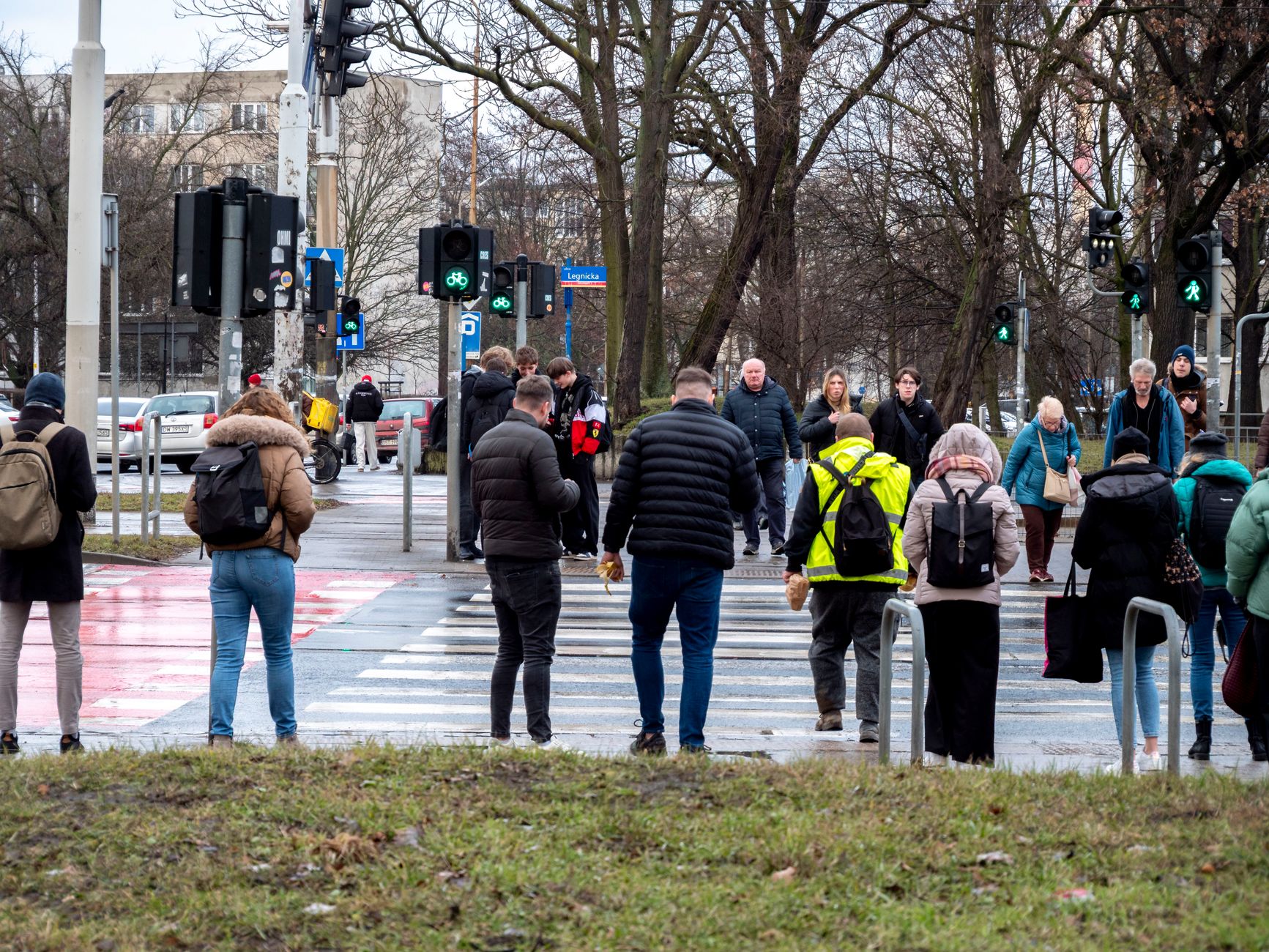
Pedestrian accident injuries are among the most severe of all roadway crashes. When a moving vehicle strikes a person, the body takes the full force of impact with little or no protection. Even at low speeds, these collisions can cause life-changing harm. This includes broken bones, head injuries, spinal damage, and internal bleeding.
It is important to understand the types of injuries that often occur, the factors that make them worse, and the legal rights that protect victims. It also helps to know how fault is determined and why talking with an lawyer as soon as possible after a pedestrian accident can protect your health and your finances.
Common Types of Injuries
Because a person has no structural protection, even a small collision can cause serious or permanent harm. Common injuries include:
- Head injuries – Concussions, traumatic brain injuries (TBIs), and skull fractures are frequent and often devastating. Even a mild TBI can cause headaches, dizziness, and cognitive impairment that lasts for years.
- Broken bones – Fractures in the legs, arms, ribs, or pelvis are extremely common, particularly when people are thrown onto the hood or ground.
- Spinal cord injuries – Damage to the spinal cord can result in partial or complete paralysis, chronic pain, or loss of mobility.
- Internal injuries – Impact to the torso can damage vital organs like the lungs, liver, or spleen, sometimes causing internal bleeding that requires emergency surgery.
- Soft-tissue damage – Sprains, strains, and deep bruising may sound minor, but they can lead to chronic pain or restricted movement if untreated.
- Cuts and lacerations – Contact with broken glass, asphalt, or sharp metal causes severe wounds and scarring.
- Psychological trauma – Many survivors experience anxiety, depression, or post-traumatic stress disorder (PTSD) long after the crash.
Medical care can treat many of these injuries, but the emotional and financial impact often lasts much longer. This is another reason to get legal help as soon as you can.
Factors That Influence the Severity of Pedestrian Injuries
Many factors determine whether a person walks away with minor harm or suffers a life-changing injury. These include:
Vehicle Speed
Speed is one of the strongest predictors of injury severity. At 20 miles per hour, most people survive. At 40 miles per hour, most do not. Higher speeds reduce reaction time and greatly increase the force of impact. Studies show that a person hit at 30 miles per hour is twice as likely to die as someone hit at 25 miles per hour.
Angle of Impact
The way a vehicle strikes a person changes the injury pattern.
- Frontal impacts often cause catastrophic head and chest trauma.
- Side impacts lead to multiple fractures as the body twists or collapses under force.
- Glancing blows can still result in serious injuries if the victim is thrown into another object or vehicle.
Understanding these dynamics helps investigators and attorneys reconstruct the accident and determine fault.
Age and Physical Condition
Children are more likely to suffer head injuries because of their height. Older adults face a higher risk of fatal injuries because their bones are more fragile and their reflexes are slower. Recovery time also varies. Younger people tend to heal faster, while older people often need long-term care.
Impact Location
If the legs or pelvis take the first hit, the person may be thrown forward and then hit their head or spine on the vehicle or pavement. If the upper body or head takes the first impact, life-threatening injuries can occur immediately.
Alcohol Involvement
Alcohol plays a role in almost half of fatal pedestrian crashes. Impaired drivers react more slowly and make poor decisions. Intoxicated people may cross unsafely or misjudge a vehicle’s speed. In either case, injuries are usually more severe.
Can I Sue If Injured After Being Struck By A Vehicle In Michigan?
If you’ve been struck by a vehicle in Michigan, you may be entitled to multiple forms of compensation. The state’s laws allow injured pedestrians to file lawsuits for pain and suffering if their injuries meet the “serious impairment of body function” threshold under the Michigan No-Fault law. (MCL 257.58c) This means your injury must significantly affect your ability to live your normal life.
In most cases, you have three years from the date of the crash to file a lawsuit for pain and suffering. You may also qualify for No-Fault Personal Injury Protection benefits. These benefits help pay for medical care, lost wages, attendant care, and household help. The claim must be filed within one year of the accident.
If the driver who hit you fled the scene or was uninsured, you may still recover compensation through your own auto insurance or the Michigan Assigned Claims Plan (MACP) if no other policy applies.
Because the process involves strict deadlines and complex coordination of benefits, consulting a lawyer immediately can ensure your claim is filed correctly and on time.
What Types of Damages Can Be Recovered for Pedestrian Injuries?
Victims may be entitled to both economic and noneconomic damages, including:
- Medical expenses – Hospital stays, rehabilitation, surgeries, medications, and future care needs.
- Lost wages and earning capacity – Compensation for missed work and any long-term reduction in earning potential.
- Pain and suffering – Compensation for physical pain, mental anguish, and loss of enjoyment of life.
- Disability or disfigurement – For permanent injuries or visible scarring that impact quality of life.
- Property damage – Reimbursement for personal items damaged in the crash (phones, medical equipment, clothing, etc.).
- Other financial losses – Costs for household help, transportation to medical appointments, or home modifications.
In fatal pedestrian accidents, surviving family members may pursue a wrongful death claim to recover funeral expenses, loss of financial support, and loss of companionship.
Understanding Pain and Suffering Compensation
Pain and suffering compensation reflects the noneconomic losses you endure after a crash. To qualify under Michigan law, you must show that your injury caused a “serious impairment of body function,” a legal term meaning your life has been significantly disrupted.
An attorney can help demonstrate this through:
- Medical records showing long-term or permanent limitations
- Testimony from doctors or specialists
- Evidence of missed work or loss of normal daily activities
- Personal accounts from family, friends, or coworkers about how the injury changed your life
This compensation also covers excess economic losses, i.e., medical expenses or lost wages that exceed your PIP coverage limits. In serious injury cases, this can amount to substantial recovery.
How Long Does A Settlement Take?
Every case is different, but most settlements in Michigan take between six months and two years to resolve. Factors that influence the timeline include:
- Severity of injuries – Catastrophic or long-term injuries often delay settlement until the full extent of damages is known.
- Future medical needs – If surgeries or rehabilitation are ongoing, your attorney may wait until your condition stabilizes to accurately calculate compensation.
- Ability to work – Lost income claims depend on documented proof of missed wages and medical restrictions.
- Insurance coverage limits – Low policy limits or disputes between insurers can slow negotiations.
- Liability disputes – When drivers or insurers contest fault, the process may move into litigation.
- Court scheduling – The court’s calendar and assigned judge can also impact how quickly your case proceeds.
A lawyer can help expedite your claim, negotiate strategically, and ensure you’re not pressured into an unfairly low settlement.
Preventing Pedestrian Accidents: Shared Responsibility
Reducing pedestrian accidents requires both drivers and walkers to prioritize safety.
For pedestrians:
- Always use marked crosswalks and obey traffic signals.
- Stay alert! Avoid texting or wearing headphones while crossing streets.
- Wear bright or reflective clothing, especially at night or in low visibility.
For drivers:
- Slow down! Especially in residential areas and school zones.
- Yield to pedestrians at crosswalks.
- Avoid distractions and never drive under the influence.
- Be extra cautious when turning or backing up.
When both parties remain aware and responsible, serious injuries can often be avoided.
Injured In An Accident In Michigan? Contact an Experienced Lawyer Today
If you were injured as a pedestrian in Michigan, the stakes are too high to go it alone. Medical bills, lost income, and long-term pain can quickly overwhelm even the most prepared person. A skilled Michigan attorney can protect your rights, prove negligence, and help you recover the compensation you deserve under state law.
Consultations are always free, and there are no upfront costs. Don’t wait. Timing matters in preserving evidence, filing claims, and building a strong case. The sooner you speak with a lawyer, the stronger your position will be.