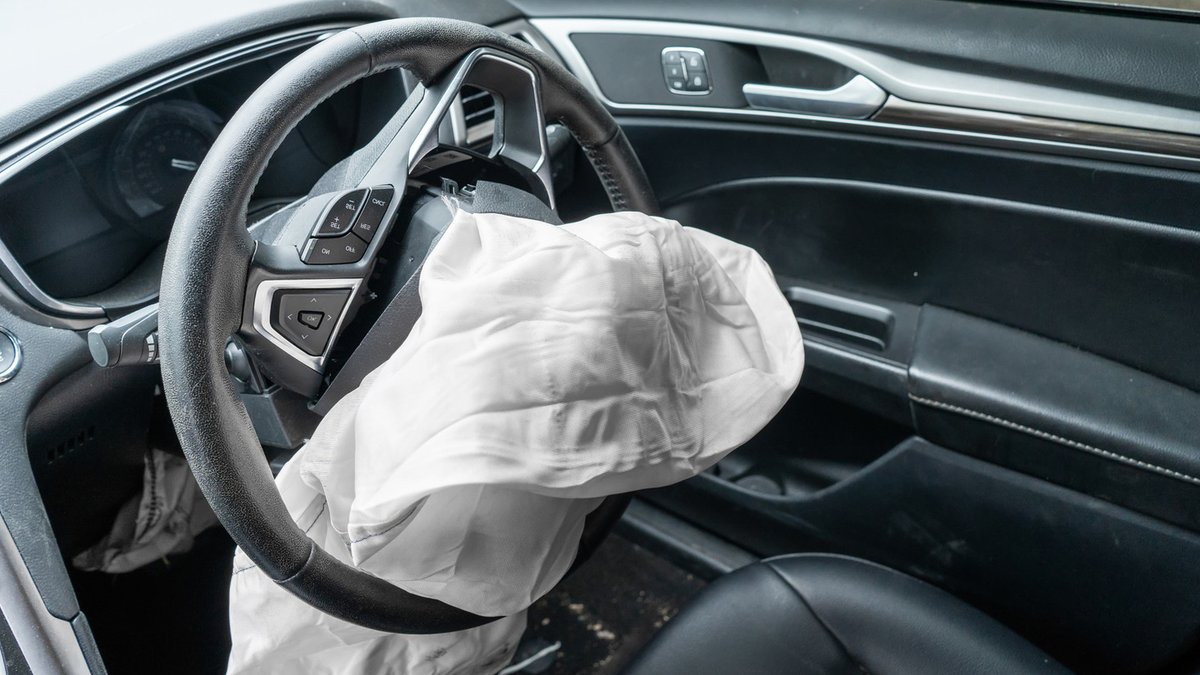
eBay bans airbag sales after a review highlighted safety risks tied to counterfeit parts, a move that will reshape how drivers source critical crash‑protection components.
Decision follows mounting safety concerns
The online marketplace said the policy change stems from a “full review of the risks these products may pose to eBay users.” The announcement came as counterfeit safety devices flooded the platform despite tighter seller approvals over recent years.
One tragic case involved a 2020 Chevy Malibu whose driver, Destiny Byassee, died when a faulty component exploded in a crash. Her estate sued the manufacturer, DTN, and eBay, arguing the site should have removed the listing. A judge dismissed the claim against the marketplace because it neither created the posting nor handled the counterfeit item, while DTN was ordered to pay $603 million in damages.
Separately, the National Highway Traffic Safety Administration issued a Special Order requesting information about several accounts that had listed DTN parts, as well as details on eBay’s policies for approved sellers and counterfeit detection. The agency has not accused the platform of wrongdoing, but the inquiry added pressure for decisive action.
Industry response and new restrictions
The Automotive Recyclers Association issued a statement acknowledging the ban. It praised eBay for “careful thought, discussion, and consideration” and noted the long‑standing collaboration on safety, training, certification and recall verification standards.
Effective September 24 2026, the site will no longer allow listings for inflators, steering‑wheel covers or the primary safety devices themselves.
In the United States, sales of control units, crash sensors, passenger sensors and diagnostic modules will be limited to sellers already pre‑approved. Listings outside the U.S. may continue under existing rules.
Related: BMW 5 Series Price Could Buy Entire Train
Sellers must remove any current postings by the deadline, or eBay will automatically take them down. The platform’s shift reflects a calculation that the risk of counterfeit parts outweighs the convenience of a broad‑reach marketplace.
What the ban means for consumers
Buyers will turn to specialized sites.
Car‑Part.com and local recyclers verify the authenticity of safety components.
While those channels may charge higher prices, they also reduce the chance of installing a defective part that could fail in an accident. In practice, the change pushes owners toward vetted sources, potentially improving overall vehicle safety despite the inconvenience.
Industry observers note that the move may spur other online venues to tighten their own controls, creating a ripple effect across the secondary auto‑parts market.
For now, eBay’s decision marks a clear line: the platform will step back from a segment where the stakes are life‑and‑death, leaving the trade to channels better equipped to guarantee authenticity.